7 min read ResuFit Team
What to Wear to a Retail Interview: Outfit Ideas
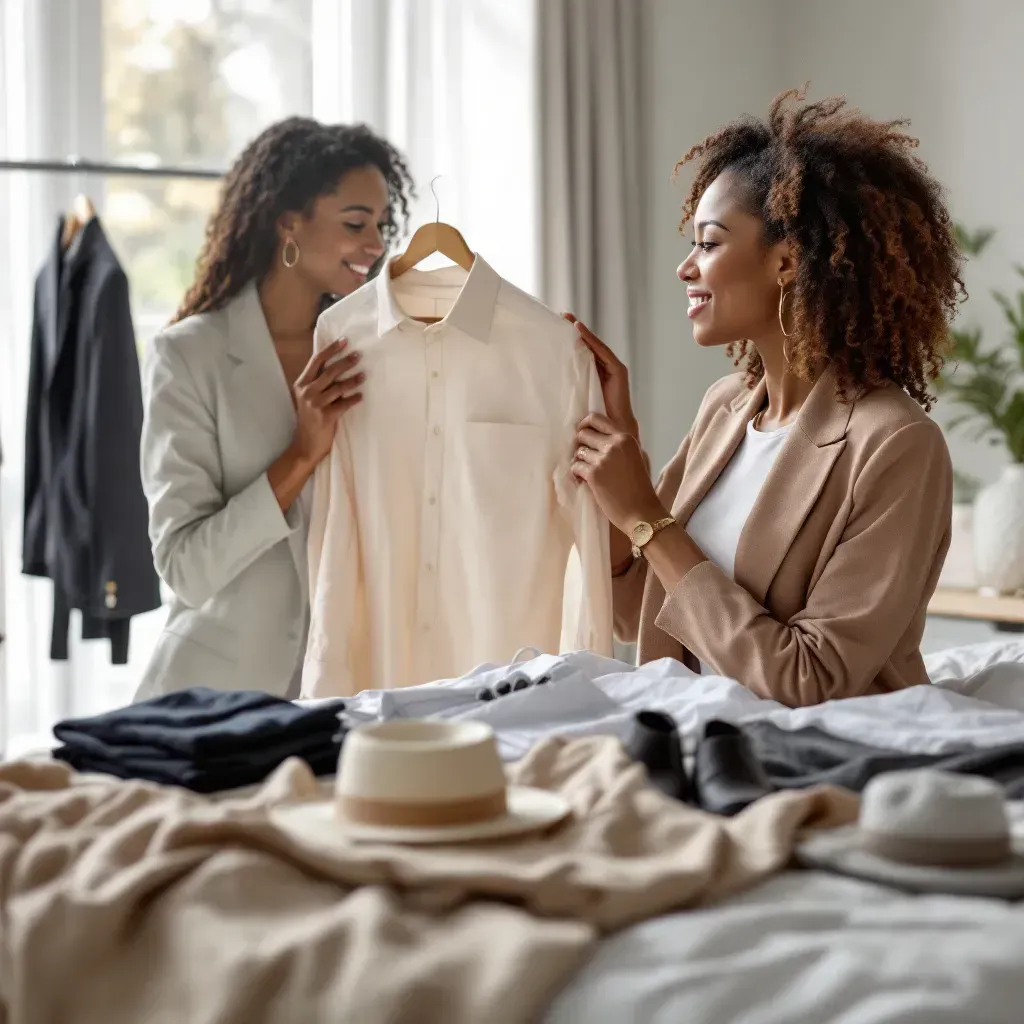
Making a strong first impression is crucial in retail, an industry where visual presentation directly impacts business success. Your interview attire speaks volumes before you say a word, signaling to potential employers whether you understand their brand aesthetic and customer expectations. Let’s explore how to dress appropriately for retail interviews across different environments.
Retail interview attire requires balancing professionalism with brand alignment. In English-speaking markets like the US and UK, business casual is widely accepted, though interpretations vary significantly between retail segments.
In US markets, the emphasis is on a “polished yet approachable” look, often combining tailored separates like blazers with dark jeans according to Indeed. UK markets tend to lean slightly more formal, with structured blazers or knee-length skirts paired with tights often preferred.
The golden rule: Research the store’s aesthetic before your interview. Visit the location, browse their website, or check their social media to understand how employees dress and how the brand presents itself visually. Your goal is to reflect the brand’s image while elevating it to interview-appropriate formality.
Regardless of the specific retail environment, certain principles apply universally:
Adapt to Brand Aesthetic: Study current employees’ attire and mirror it one step more polished. For casual brands like H&M, a button-down shirt with dark jeans might be perfect as Hockerty advises.
Prioritize Fit and Cleanliness: Wrinkled or ill-fitting clothes immediately undermine professionalism. Invest time in steam-pressing fabrics and ensuring everything sits properly on your frame.
Incorporate Subtle Personal Style: Small touches like muted patterns or minimalist jewelry can help you stand out while respecting the brand’s image. This demonstrates your fashion awareness – a valuable trait in retail.
Consider Practicality: Retail often involves movement, standing for long periods, or handling merchandise. Choose comfortable, functional pieces that won’t restrict mobility.
For upscale retailers like Tiffany & Co. or Nordstrom, business formal or polished business casual is expected:
The focus here is quality over quantity. One well-tailored outfit trumps multiple trendy but lower-quality options. Resume Professional Writers notes that luxury retail candidates should aim for sophistication with attention to fine details.
For fashion retailers like Zara, H&M, or Gap, demonstrate trend awareness while maintaining professionalism:
Consider wearing items from the store itself (without visible logos) to demonstrate genuine appreciation for their merchandise. This shows you understand their customer and can represent their brand effectively.
For retailers like Target, Macy’s, or Marks & Spencer, business casual is the standard:
Department stores often appreciate versatile professional looks that work across various settings, as you might need to interact with diverse customer demographics.
For bookstores, outdoor retailers, or casual brands like Old Navy:
Even in casual environments, avoid appearing too relaxed. Indeed’s guidelines suggest aiming for “smart casual” rather than everyday casual.
Overly Casual Items: Avoid flip-flops, graphic tees, distressed denim, or anything with visible logos as cautioned by Indeed.
Competitor Branding: Never wear visible items from competing retailers – this demonstrates poor awareness.
Impractical Choices: Avoid uncomfortable shoes, restrictive clothing, or anything that would prevent you from demonstrating retail tasks if asked.
Distracting Accessories: Large logos or noisy jewelry can divert attention from your qualifications per Hockerty’s guide.
Can you wear jeans to an interview? While dark, non-distressed jeans might work for casual retailers, they’re rarely appropriate for luxury or department store interviews.
Pre-Interview Research: Visit the store beforehand to observe employee outfits and customer demographics as advised by Indeed.
Test Mobility: Ensure your outfit allows for bending, reaching, and comfortable standing – all common actions in retail positions.
Prepare the Night Before: Lay out your complete outfit, including accessories, to avoid morning stress and last-minute changes.
Grooming Essentials: Trim nails, use minimal fragrance, and opt for neat hairstyles per WorkPac.
Emergency Kit: Pack a small emergency kit with stain remover, lint roller, and breath mints for last-minute touchups.
Beyond just clothing, remember that confidence is your best accessory. When you feel appropriately dressed for both the position and the brand, you’ll naturally present yourself more confidently during behavioral interview questions and demonstrate your best interview skills.
The right retail interview outfit balances professionalism, brand alignment, and personal comfort. By researching the company’s aesthetic and following these guidelines, you’ll make a positive first impression that complements your qualifications and enthusiasm for the role.
Ready to ensure your entire application stands out? ResuFit can help you create tailored resumes and cover letters that complement your professional appearance, significantly increasing your chances of retail interview success.
Wear business casual attire that reflects the store’s brand aesthetic. Research the store beforehand by visiting or browsing their social media, and aim to mirror how employees dress—one step more polished. A blazer with dark pants or a neat blouse with tailored bottoms works for most retail environments.
Dark, non-distressed jeans may work for casual retailers like H&M, Gap, or Old Navy, but are rarely appropriate for luxury retailers or department stores like Nordstrom or Macy’s. When in doubt, choose dress pants or chinos instead.
Yes, wearing items from the store demonstrates genuine appreciation for their merchandise and shows you understand their customer. However, avoid visible competitor branding—this is a major red flag that demonstrates poor awareness.
Avoid flip-flops, graphic tees, distressed denim, visible competitor logos, athletic wear, excessive jewelry, and anything too casual. Also avoid impractical choices like uncomfortable shoes or restrictive clothing, since retail often involves standing and moving.
Wear business formal attire: a tailored suit in navy or gray, polished dress shoes, and minimal, quality accessories like a structured handbag and a professional watch. Focus on quality over quantity—one well-tailored outfit from a reputable brand trumps multiple trendy pieces.
Need more interview preparation? Explore our guides on interview questions and answers and basic interview questions and answers for freshers to complete your preparation.
Ready to build a winning resume?
Create Your Resume FreeGet the latest tips on resume writing and career advice.
Wear business casual that reflects the store's brand aesthetic. Research the store's style beforehand and aim to mirror it one step more polished than what employees typically wear.
Dark, non-distressed jeans may work for casual retailers like H&M or Old Navy, but are rarely appropriate for luxury or department store interviews. When in doubt, choose dress pants or chinos.
Yes, wearing items from the store shows genuine appreciation for their merchandise and demonstrates you understand their customer. Just avoid visible logos from competing retailers.
Avoid flip-flops, graphic tees, distressed denim, visible competitor branding, excessive jewelry, and anything too casual like athletic wear or hoodies.
Wear business formal attire such as a tailored suit in navy or gray. Focus on quality over quantity with polished dress shoes, minimal jewelry, and a structured handbag or portfolio.